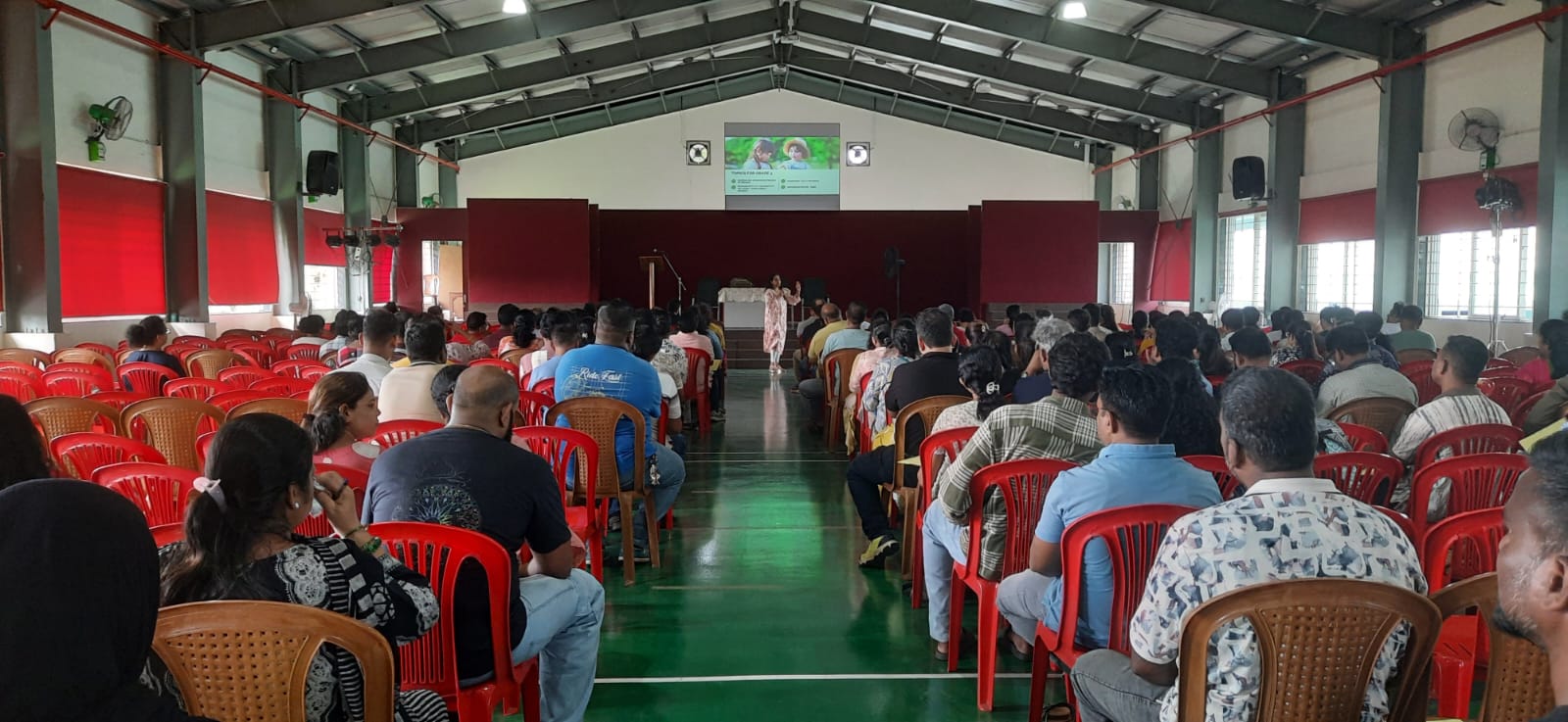
Parent Awareness Sessions - Primary Section
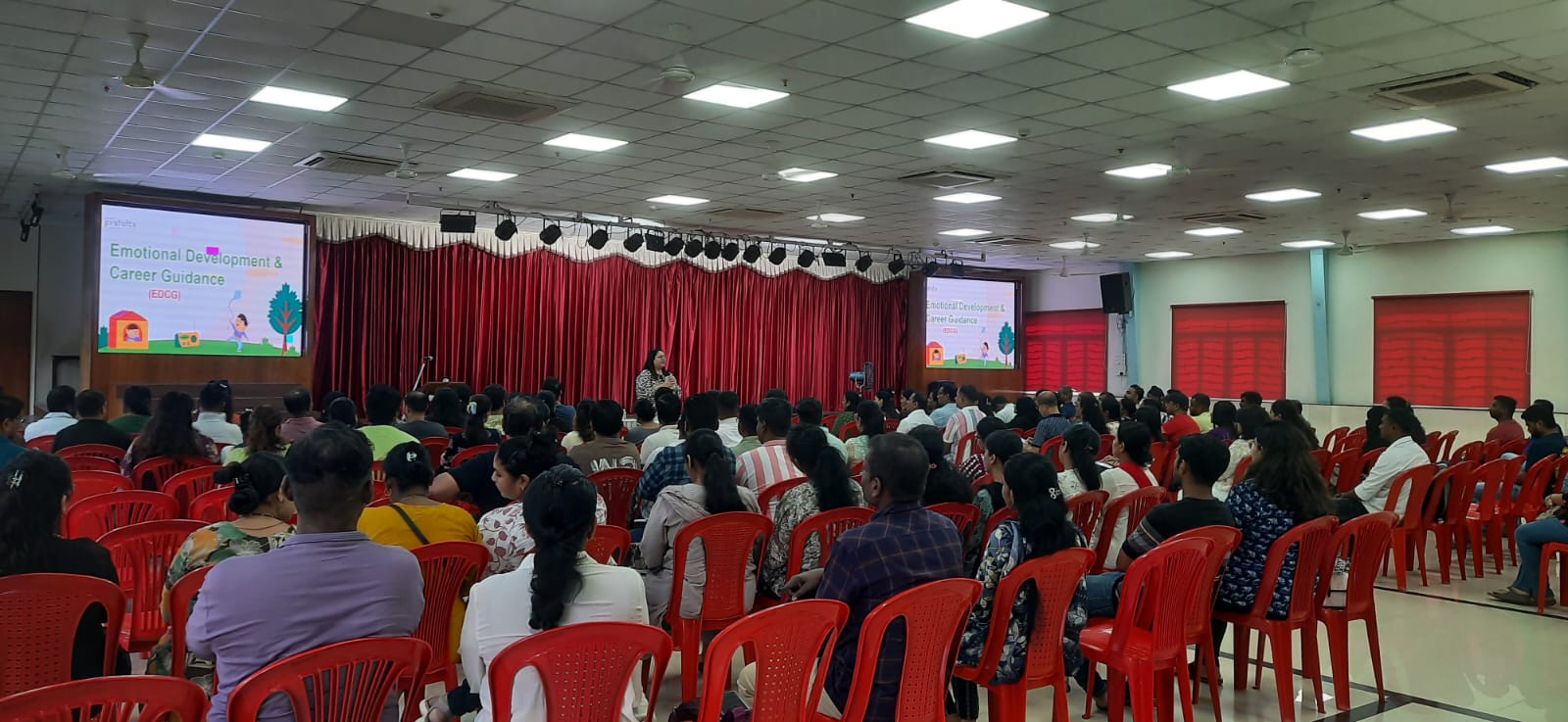
Parent Awareness Sessions - Primary Section
When little children are overwhelmed by big emotions, it’s our job to share our calm. Not join their chaos. - L. R. Knost
Sessions for parents of students from the primary section was organized in association with Prafulta, Andheri. These sessions focussed on the Importance of Play for Std.1 and 3 and Understanding the Little Big Emotions for Std.2 and 4.
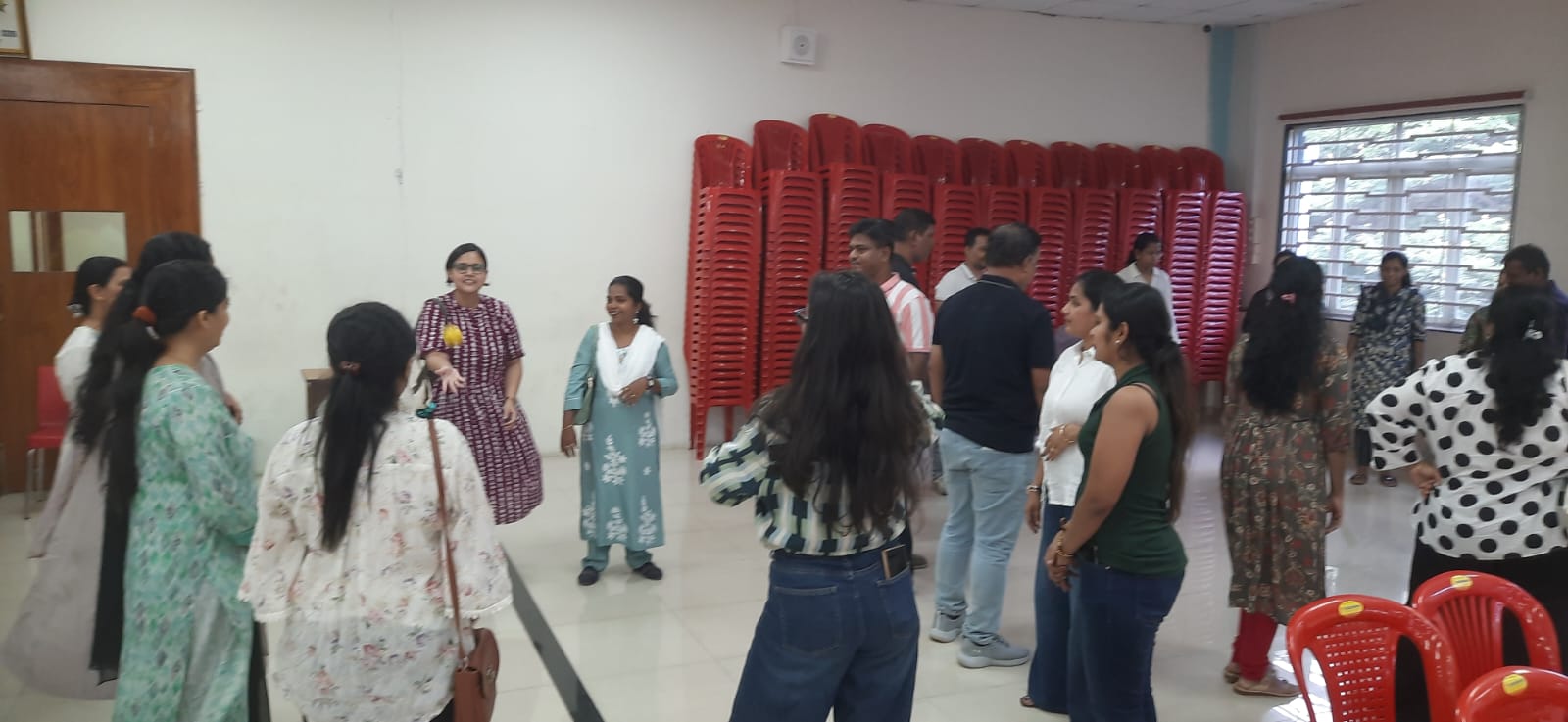
Sessions for Std. 1 and 2 was held on 20 June 2026 led by the resource person Ms.Ratandeep Chawla from Prafulta. In the first session Ms.Ratandeep invited parents to play with a ball in groups and discussed the things that they observed and learnt, improvised and commended on some creative things parents did when they played. This helped them to understand that children learn skills like patience, attention, self-awareness among a few others. She asked the parents to reflect back on their own childhood experiences during play time, the different kinds of free play that they engaged in and the things they learnt. Many parents shared their experiences reminiscing their childhood memories.
Through case study group discussion Ms. Ratandeep engaged the participants in a thoughtful discussion on the importance of play.
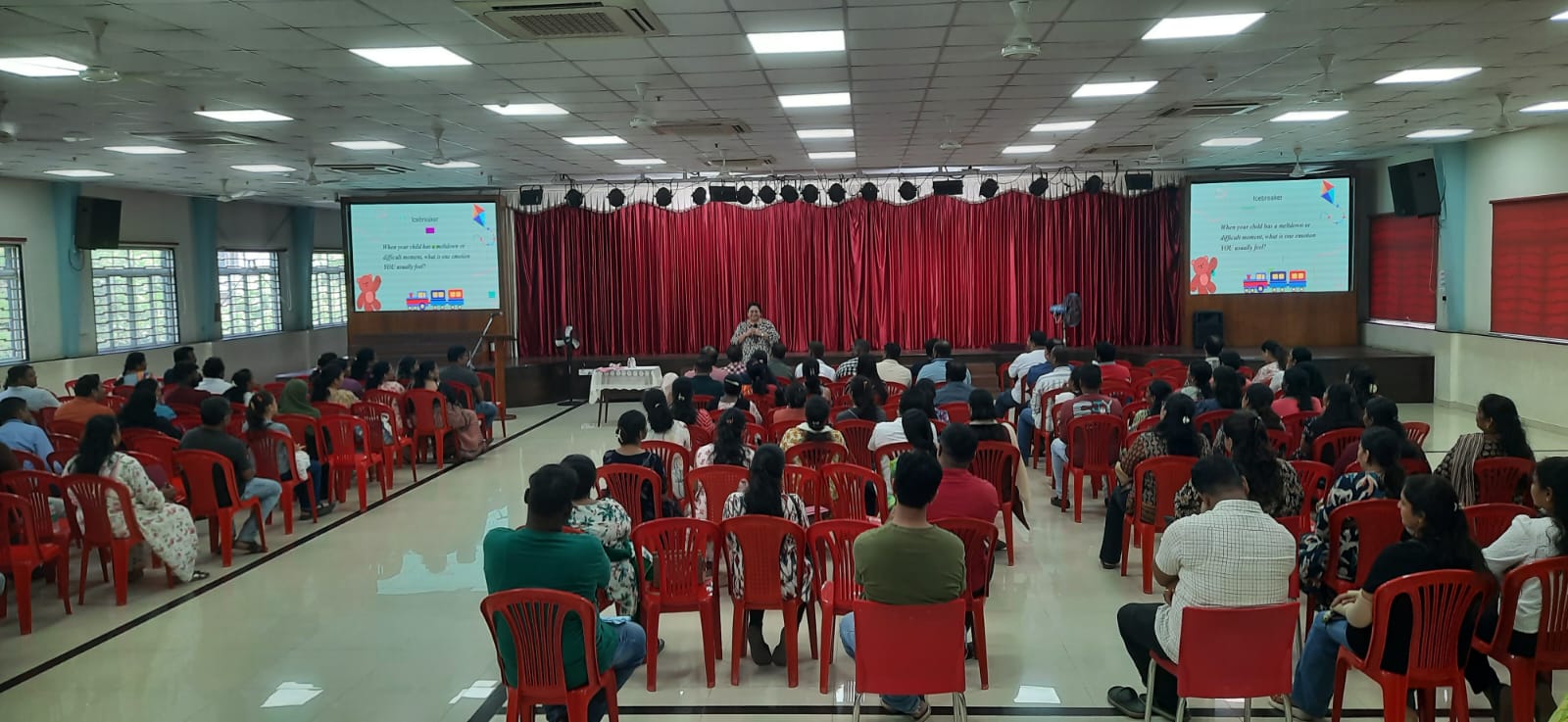
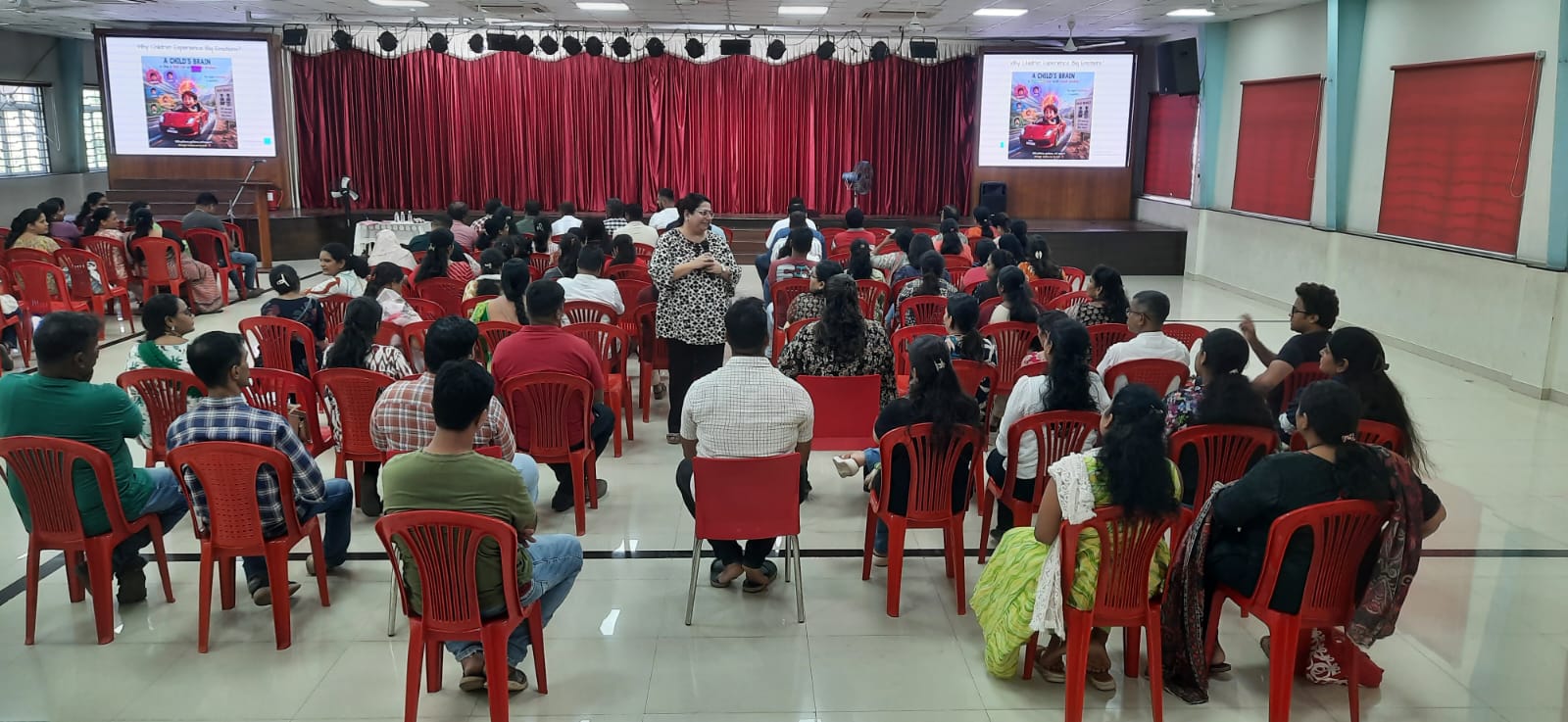
The next session for Std.2 highlighted the importance of understanding the little big emotions of the children. They were asked to look at the daily stressors of a 7 year old child and our expectation from them to understand and behave. The pace at which the brain is developing is not at par with the emotional development that we expect of them and therefore children are even more stressed out and unlike adults they are still learning how to express themselves. Some key points from the day were:
- channelise children's activities, communicate with the child
- build connection through play,
- involving them to do tasks, appreciate them for their effort
- when there is melt down - allow the child to do what they want to (keeping safety a priority) and when they have calmed themselves and come to you for a hug, give them the hug, instead of shunning them away for their behaviour earlier. Communicate when they are calm, they understand better.
- how we handle our emotions matters because they observe and learn
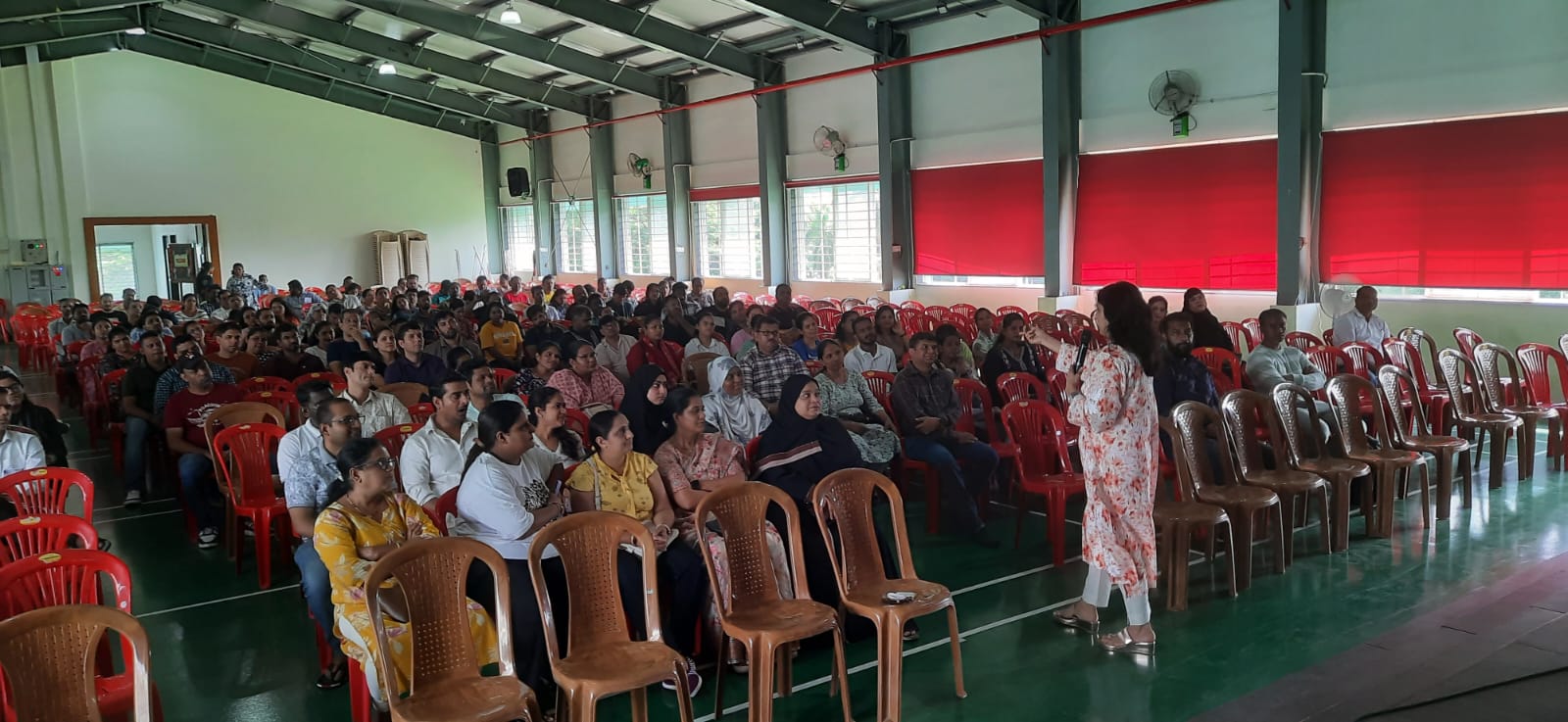
On 27th June, the workshops for Std.3 and 4 was facilitated by Dr.Sonali Mohali. The first session for Std.3 was on the importance of play. Parents shared about their difficulties for sending the child for free play, some concerning aspects like picking up fowl language, shortage of play space in localities, parents own busy work schedules were addressed. The difference between structured play and free play was understood and she encouraged parents to engage with children in their kind of play where their creativities and skills are unleashed.
Learning happens not just through structured instructions but all through experiences, for example when a child wants to play on the swing and there are other children also wanting to do the same, children learn to be patient, stand in a queue for their turn, allowing others to take turns etc.
Dr.Sonali highlighted the changes that begin at this age, where children who were at awe of parents who know everything begin to tell parents that they don't know anything as his social interaction increases. And therefore many life skills are learnt when children are allowed to play which in turn also brings in academic success.
In the second session, with the theme; Understanding Emotions of Children, she began with a question to parents to share what guarantees success and through the answers that followed, she helped parents to see how from intellectual reasons we quickly move to emotions and basic life skills like dedication, resilience, problem solving skills etc. And therefore a fine balance of IQ and EQ is required for success. More light was thrown into responding to emotions and not just looking at the behaviour of the children. She highlighted the 3 C model for communication at this stage, which are; Connect, Calm, Correct. The wheel of emotions was briefly explained and she expressed her appreciation for the students who are aware of different vocabulary of emotions.
She highlighted the circle of control and the need for our children to learn that most of the time we try to control things not in our control and we as parents are the role models for them to understand how to regulate their emotions in different situations.
These sessions provided a space where parents could understand, discuss and look into different aspects of parenting and the needs of their children that can be fulfilled through play, presence and understanding.